Historic Places Every First-Time Texas Visitor Should Know
Texas history stretches from Spanish colonial missions to presidential landmarks and frontier cattle drives. First-time visitors can experience defining chapters of the state’s story by visiting a handful of iconic destinations. From the Alamo in San Antonio to Dealey Plaza in Dallas, the Fort Worth Stockyards, and the LBJ Ranch in the Hill Country, each location offers a meaningful glimpse into the events and people who shaped Texas.
The Alamo: Texas’ Most Iconic Historic Site
The Alamo in downtown San Antonio is Texas’ most recognized historic landmark. Originally founded in 1718 as Mission San Antonio de Valero, it later became the site of the pivotal 1836 battle during the Texas Revolution.
Approximately 180–200 Texian defenders, including William B. Travis, James Bowie, and Davy Crockett, held the mission for 13 days against a much larger Mexican army led by General Antonio López de Santa Anna. Though the defenders were ultimately defeated on March 6, 1836, the battle inspired the rallying cry “Remember the Alamo” during the fight for Texas independence.
Today, the Alamo complex welcomes more than a million visitors annually. General admission to the historic church is free, though timed entry reservations are often required. The on-site museum and exhibits provide additional historical context. Visitors typically spend one to two hours exploring the grounds and exhibits.
The Alamo is also part of the San Antonio Missions UNESCO World Heritage Site, designated in 2015.
Four More San Antonio Missions Worth Visiting
Beyond the Alamo, four additional Spanish colonial missions stretch south along the San Antonio River:
- Mission Concepción – Known for its well-preserved stone church and remnants of original frescoes
- Mission San José – Often called the “Queen of the Missions,” featuring ornate stonework and the famous Rose Window
- Mission San Juan – Once an agricultural hub with expansive farmland
- Mission Espada – Home to one of the oldest functioning acequia irrigation systems in the United States
These missions form part of the San Antonio Missions National Historical Park, with visitor centers typically open daily from 9 a.m. to 5 p.m. The Mission Reach section of the River Walk provides roughly eight miles of hike-and-bike trails connecting the sites.
All four remain active Catholic parishes while also serving as public historic landmarks.
Dealey Plaza and The Sixth Floor Museum
In downtown Dallas, Dealey Plaza marks the site of President John F. Kennedy’s assassination on November 22, 1963. The plaza is a National Historic Landmark District and remains one of the most visited historic sites in Texas.
The Sixth Floor Museum at Dealey Plaza, located inside the former Texas School Book Depository at 411 Elm Street, examines Kennedy’s life, presidency, and the events surrounding his assassination. The preserved corner window—often referred to as the “sniper’s perch”—remains part of the exhibit.
Just a short walk away, the John F. Kennedy Memorial Plaza, dedicated in 1970 and designed by architect Philip Johnson, offers a quiet space for reflection. The plaza’s open concrete structure symbolizes an unfinished life and legacy.
San Jacinto Monument: Where Texas Won Its Independence
Located east of Houston, the San Jacinto Monument and Battleground marks the site of the decisive April 21, 1836, Battle of San Jacinto. In just 18 minutes, General Sam Houston’s Texian army defeated Mexican forces led by Santa Anna, effectively securing Texas independence.
The monument itself rises 567 feet tall, making it the tallest masonry column monument in the world. Inside, visitors can explore a museum detailing the Texas Revolution and ascend to the observation deck for panoramic views of the Houston Ship Channel.
The battleground grounds preserve the landscape where the final victory of the revolution unfolded, making it one of the most important historic sites in Texas.
Fort Worth Stockyards Historic District
The Fort Worth Stockyards preserve the city’s 19th- and early 20th-century cattle industry heritage. While Fort Worth was founded as a military outpost in 1849, the Stockyards district developed later as a major livestock shipping center after railroads arrived in the late 1800s.
By the early 20th century, the Stockyards had become one of the largest livestock markets in the Southwest. The Livestock Exchange Building (1902) served as a central hub for cattle trading, and Cowtown Coliseum hosted rodeos and livestock events.
Today, visitors can watch the Fort Worth Herd’s twice-daily cattle drive along Exchange Avenue, a tribute to the city’s Cowtown roots. The district includes historic brick buildings, museums, shops, and Western-themed attractions.
LBJ Ranch and the Texas White House
Located near Johnson City in the Texas Hill Country, the Lyndon B. Johnson National Historical Park includes the LBJ Ranch, often called the “Texas White House.” President Lyndon B. Johnson conducted official business here during his presidency from 1963 to 1969.
Johnson spent significant time at the ranch, hosting foreign leaders and political figures while maintaining the working cattle operation he valued deeply. The property includes the ranch house, the Johnson family cemetery, and scenic stretches of the Pedernales River.
Visitors can explore portions of the ranch via self-guided driving tours. The nearby visitor center in Johnson City provides additional exhibits about Johnson’s life and legacy.
Texas State Capitol: A Landmark of Government and Grandeur
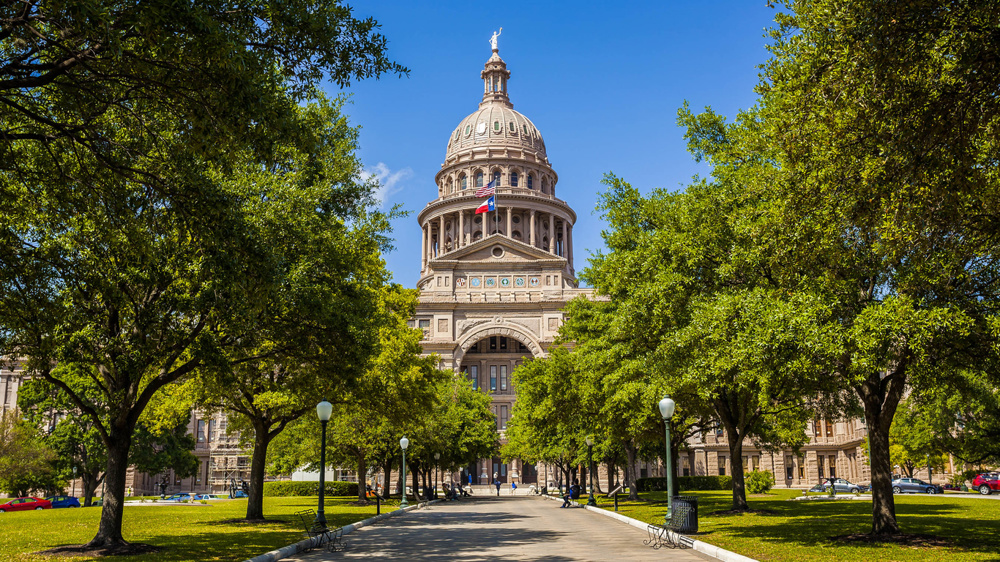
In downtown Austin, the Texas State Capitol stands as one of the largest state capitol buildings in the United States. Completed in 1888, the structure rises 302 feet tall—slightly taller than the U.S. Capitol in Washington, D.C.—and is constructed from distinctive sunset-red Texas granite.
The Capitol houses the offices of the Governor and the Texas Legislature and remains an active seat of government. Visitors can explore the rotunda, legislative chambers, and extensive grounds, including monuments honoring Texas military and cultural history. Free guided tours are offered daily, making it an essential stop for understanding the state’s political evolution.
Texas State Cemetery: Resting Place of Texas Legends
Also located in Austin, the Texas State Cemetery serves as the final resting place for governors, legislators, soldiers, and notable Texans. Established in 1851, it functions as a historic cemetery and state landmark.
Notable figures buried here include Stephen F. Austin, Barbara Jordan, Ann Richards, and multiple Texas governors. The grounds are open to the public and offer a quiet, reflective setting for those interested in political and cultural history.
El Paso Mission Trail: West Texas’ Colonial Legacy
For travelers heading to West Texas, the El Paso Mission Trail offers a different perspective on Spanish colonial history. This 9-mile route includes three historic missions:
- Ysleta Mission (1682) – Often recognized as the oldest continuously operated parish in Texas
- Socorro Mission
- San Elizario Chapel
These missions predate San Antonio’s 1718 founding and highlight early Spanish and Indigenous settlement along the Rio Grande. The surrounding area also preserves adobe architecture and historic plazas reflective of borderland cultural traditions.
Including the El Paso Mission Trail in a first-time Texas itinerary ensures visitors experience the state’s westernmost historic roots.
A Regional Guide for First-Time Texas Visitors
Texas is vast, and historic landmarks are spread across multiple regions. For a balanced first visit, consider exploring at least one destination from each area:
- North Texas: Dealey Plaza (Dallas), Fort Worth Stockyards
- Hill Country / Central Texas: The Alamo, San Antonio Missions, Texas State Capitol, LBJ Ranch
- Gulf Coast: San Jacinto Monument near Houston
- West Texas: El Paso Mission Trail
This regional approach allows visitors to experience Texas’ diverse historical influences—from Spanish colonial settlements to frontier cattle markets and modern political landmarks.