Houston’s Historical Districts and Cultural Landmarks
Houston’s historic districts span nearly two centuries of architectural, cultural, and civic development. From the original 1836 townsite near Buffalo Bayou to early 20th-century planned communities like Houston Heights and Boulevard Oaks, the city preserves layers of growth that reflect immigration, industry, faith communities, and neighborhood identity.
The City of Houston currently recognizes more than 20 designated historic districts, along with hundreds of protected landmarks overseen by the Houston Archaeological and Historical Commission. These neighborhoods include residential districts, former streetcar suburbs, and historically significant African American communities.
What distinguishes Houston’s preservation landscape is its geographic spread: rather than a single preserved downtown core, historic districts are distributed across the city, each telling a different chapter of Houston’s story.
Houston’s city-designated historic districts aren’t just “old neighborhoods”—they’re areas where exterior changes are reviewed under the City’s Historic Preservation Ordinance. In practice, that means many projects (especially visible exterior alterations and new construction) require a Certificate of Appropriateness (COA) reviewed through the Houston Archaeological and Historical Commission (HAHC) process.
Houston’s City-Designated Historic Districts
Houston has designated over 20 historic districts under its preservation ordinance, each with specific architectural and historical criteria. These districts range from compact residential enclaves to large, architecturally cohesive neighborhoods.
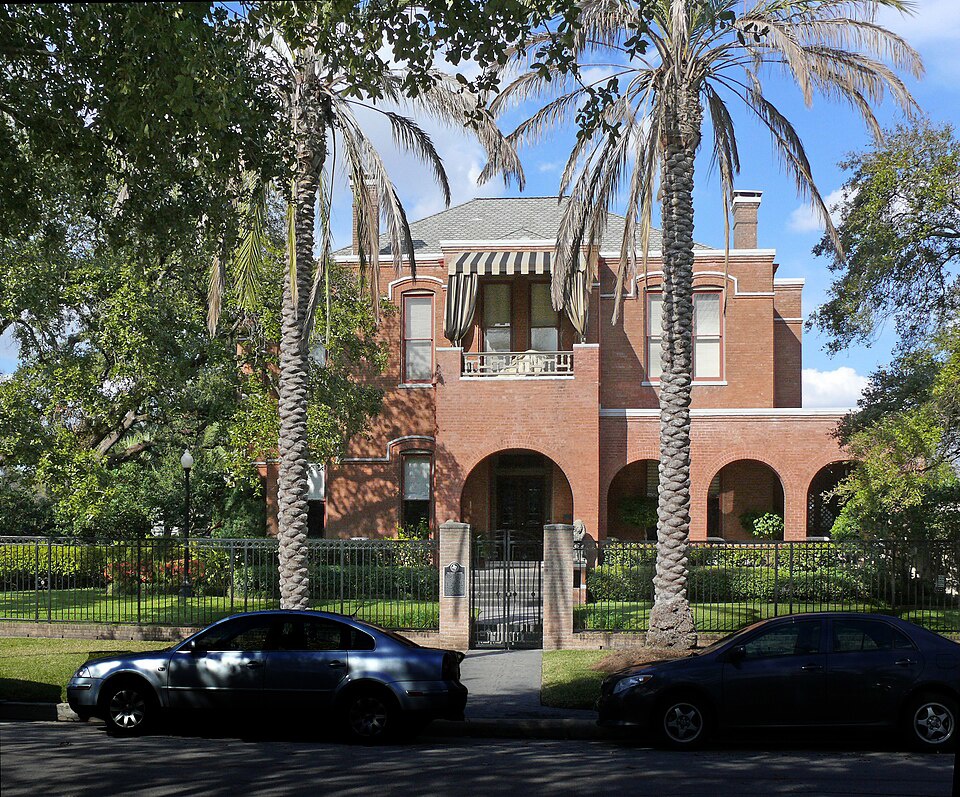
Boulevard Oaks was designated as a City of Houston historic district in 2009, reflecting how preservation here isn’t only about individual houses—it’s also about the esplanades, mature tree canopy, and the neighborhood’s cohesive early-20th-century planning.
Notable examples include:
- Old Sixth Ward
- Houston Heights (East, West, and South Historic Districts)
- Freedmen’s Town Historic District
- Boulevard Oaks Historic District
- Glenbrook Valley Historic District
- Audubon Place Historic District
- Courtlandt Place Historic District
- Starkweather Historic District (in Independence Heights)
Unlike cities with rigid zoning preservation models, Houston’s historic districts primarily regulate exterior changes visible from public rights-of-way, helping maintain architectural integrity while allowing neighborhoods to remain active residential communities.
Heights Area Historic Districts: Houston Heights, Norhill, and Woodland Heights
Founded in 1891 by the Omaha and South Texas Land Company, Houston Heights was one of Texas’ earliest planned communities. The neighborhood’s elevated terrain, gridded street layout, and wide boulevard medians contributed to its early popularity.
Today, the Heights contains three city-designated historic districts—Heights East, Heights West, and Heights South—clustered around Heights Boulevard. Streets named after universities such as Harvard, Yale, and Columbia reflect its original development scheme.
Nearby neighborhoods such as Woodland Heights and Norhill also feature historic character and preservation overlays, though not all carry the same city designation structure. The area contains numerous homes listed on the National Register of Historic Places, showcasing Victorian, Craftsman, and Colonial Revival architecture.
For context, the three City of Houston Heights historic districts were designated in quick succession—Houston Heights West (December 2007), Houston Heights East (February 2008), and Houston Heights South (June 2011)—which is why you’ll see consistent guidelines and preservation patterns across much of the neighborhood’s historic core.
Montrose Historic Districts: Audubon Place and First Montrose Commons
Montrose developed in the late 19th and early 20th centuries as a streetcar suburb. The Montrose Land Company, associated with William L. Foley, played a key role in early development.
The neighborhood includes several city-designated districts such as Audubon Place and First Montrose Commons, featuring Craftsman, Prairie School, Colonial Revival, and early apartment architecture from roughly 1900 to 1940.
Montrose is also home to major cultural institutions including the Menil Collection, the Rothko Chapel, and historic religious buildings such as St. Thomas’ Episcopal Church (completed in 1912).
By the 1970s and 1980s, Montrose became nationally recognized as a center of Houston’s LGBTQ+ community, adding a significant civil rights dimension to its historic identity.
Within Montrose, First Montrose Commons was designated a city historic district in June 2010, and nearby Audubon Place was designated in June 2011—two designations that help explain why you’ll notice careful attention to scale, setbacks, and historic streetscapes in these pockets.
Boulevard Oaks and Courtlandt Place: Early 20th-Century Elegance
Developed primarily between the 1910s and 1930s, Boulevard Oaks and Courtlandt Place reflect Houston’s early 20th-century prosperity.
Boulevard Oaks is known for its landscaped esplanades lined with mature oak trees along North and South Boulevards. Architectural styles include Tudor Revival, Colonial Revival, and French Eclectic, with contributions from prominent Houston architects such as John Staub.
Courtlandt Place, established in 1906, followed a “private place” model inspired by St. Louis residential developments, featuring controlled access and cohesive architectural planning.
Both districts are listed on the National Register of Historic Places and remain among Houston’s most architecturally intact early subdivisions.
Downtown, Market Square, and Allen’s Landing
Houston’s origins trace back to 1836, when Augustus and John Allen platted the original townsite near Buffalo Bayou. Market Square Park served as an early civic and commercial center, while Allen’s Landing marked the city’s founding point.
The Main Street/Market Square Historic District is Houston’s only designated commercial historic district. Surviving late 19th- and early 20th-century buildings reflect Victorian, Romanesque Revival, and early skyscraper architectural styles.
Although much of early downtown was demolished during mid-20th-century urban renewal, preservation efforts beginning in the 1970s helped stabilize remaining structures.
Old Sixth Ward and Freedmen’s Town
Old Sixth Ward, established in the 1850s, is one of Houston’s oldest surviving residential neighborhoods. Originally home to working-class families and German immigrants, the district contains Victorian-era cottages and raised-frame houses.
Freedmen’s Town, founded by formerly enslaved people after June 19, 1865, developed in Houston’s Fourth Ward. The neighborhood became a center for African American churches, businesses, and schools.
Freedmen’s Town is particularly known for its historic brick streets laid by hand. While redevelopment pressures have altered portions of the district, preservation efforts continue to focus on protecting its cultural legacy.
Old Sixth Ward became a City of Houston historic district on December 23, 1997, and it later became the city’s first Protected Historic District in August 2007—a distinction that matters because exterior work typically runs through the COA review process.
Germantown and Independence Heights
Germantown, near Little White Oak Bayou, developed as a late 19th- and early 20th-century working-class neighborhood. It is characterized by modest wood-frame cottages and bungalows.
German immigrant families shaped the broader area’s identity over time, but the Germantown Historic District’s preserved housing character is especially visible in its early-20th-century bungalow-era streetscapes. Germantown was designated as a City of Houston historic district on December 5, 2012.
Independence Heights, established in 1908 as Texas’ first incorporated African American municipality, represents a significant milestone in civic history. Portions of the area include designated historic districts recognizing its importance in African American political and cultural life.
What Protected Landmark Status Means
Properties designated as Protected Landmarks or located within historic districts are subject to design review for exterior alterations visible from public streets.
This status:
- Helps preserve architectural character
- Encourages compatible new construction
- Provides public recognition through city markers
Visitors can explore these neighborhoods freely, as they remain active residential and mixed-use communities rather than museum-style districts.
Cultural Landmarks That Tell Houston’s Story Beyond Architecture
Houston’s historic identity isn’t only preserved in house styles and street grids—it also lives in landmark places tied to community life, civil rights, and cultural memory. Emancipation Park in the historic Third Ward—established in 1872—remains one of the city’s most meaningful public spaces for Juneteenth history and community gatherings.
For museum-scale storytelling rooted in lived experience, the Buffalo Soldiers National Museum highlights African American military history and sits just south of Midtown near the Museum District area.
Self-Guided Walking Routes Through Houston’s Historic Districts
Houston’s historic districts are well-suited for independent exploration.
Popular self-guided routes include:
- Heights Boulevard Walk (Houston Heights)
- Market Square and Main Street Loop (Downtown)
- Freedmen’s Town Brick Street Walk
- Boulevard Oaks Esplanade Stroll
- Montrose Cultural Landmarks Route
Organizations such as Preservation Houston and local heritage groups occasionally offer walking tours and educational events.
Because Houston’s neighborhoods are spread out, planning routes in advance and combining districts geographically provides the best experience.