San Antonio’s Historic Missions and Cultural Storytelling
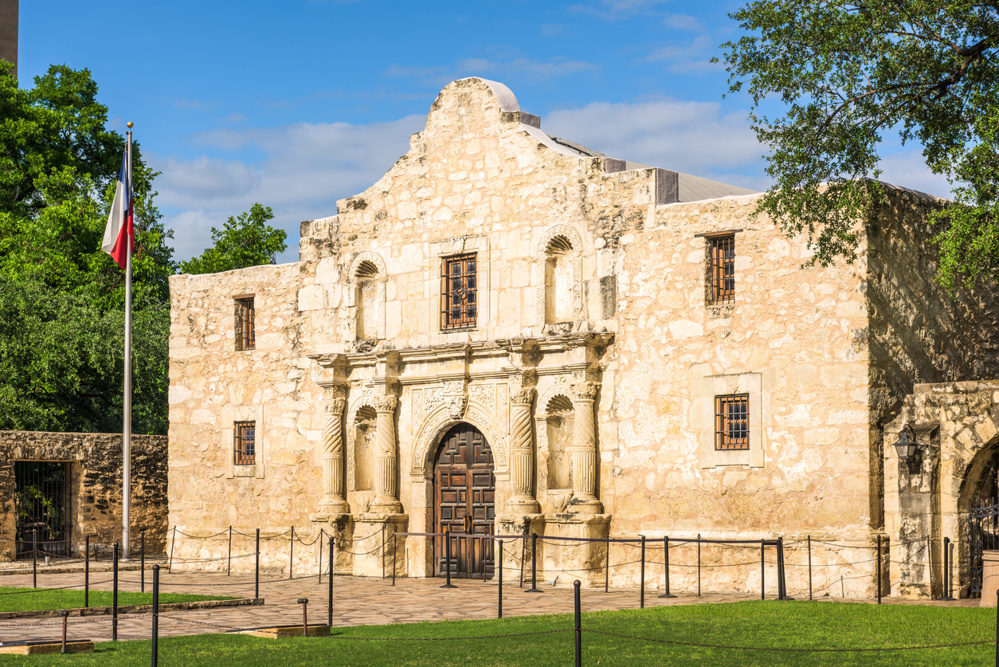
San Antonio preserves one of the most remarkable collections of Spanish colonial history in North America. Along the San Antonio River, a chain of missions tells a story of cultural exchange that spans more than 300 years.
Today, the San Antonio Missions National Historical Park includes four historic Spanish missions—Mission Concepción, Mission San José, Mission San Juan Capistrano, and Mission Espada—along with the nearby Mission San Antonio de Valero (the Alamo). Together they form the San Antonio Missions UNESCO World Heritage Site, designated in 2015 as the only UNESCO World Heritage site in Texas.
These historic communities reveal how Spanish missionaries, Indigenous Coahuiltecan peoples, and Mexican settlers shaped early life in colonial Texas. Visitors can still see preserved 18th-century churches, stone carvings, irrigation systems, and historic farmlands, many of which remain active parts of the San Antonio community today.
What Makes San Antonio’s Missions a UNESCO World Heritage Site?
The San Antonio Missions were added to the UNESCO World Heritage List in 2015 because of their exceptional representation of Spanish colonial frontier life.
The designation recognizes how the missions reflect an exchange of European, Indigenous, and Mexican cultural traditions during the 18th century. These mission communities were designed as self-sustaining settlements, combining churches, living quarters, farmland, and irrigation systems.
From north to south, the missions appear in the following order:
- Mission San Antonio de Valero (The Alamo) – Located in downtown San Antonio at Alamo Plaza.
- Mission Concepción – About 2.5 miles south of downtown along Mission Road.
- Mission San José – Roughly 3 miles farther south and considered the largest mission complex.
- Mission San Juan Capistrano – Located along the Mission Reach section of the San Antonio River.
- Mission Espada – The southernmost mission, known for its historic aqueduct and rural setting.
The missions are connected by the Mission Reach portion of the San Antonio River Walk, a scenic trail system designed for walking and cycling. Many visitors explore the corridor by bike or car, stopping at each mission site along the way.
This linear layout makes it possible to experience all five historic missions in a single day while following the path of the original colonial settlements along the river.
Indigenous Communities and Their Role in Mission Culture
The history of the missions cannot be understood without recognizing the role of the Indigenous peoples of South Texas, commonly referred to as Coahuiltecan groups.
Many Indigenous families moved to the missions seeking protection from regional conflicts, access to food resources, and new economic opportunities. Within the mission communities, they helped construct buildings, maintain irrigation systems, and cultivate crops such as corn, beans, squash, and cotton.
The missions became places of cultural interaction where Indigenous traditions blended with Spanish religious and agricultural practices. Over time, many residents adopted aspects of Spanish language, religion, and crafts while continuing elements of their own cultural traditions.
While the missions offered stability during difficult periods of regional conflict and disease outbreaks, Indigenous populations also faced major challenges including epidemics and cultural displacement. Their labor and craftsmanship, however, remain central to the architecture and infrastructure that survive today.
The Four Missions of San Antonio National Historical Park
The four missions located within San Antonio Missions National Historical Park illustrate different aspects of colonial life.
Mission Concepción
Mission Concepción, formally known as Mission Nuestra Señora de la Purísima Concepción de Acuña, is considered one of the best-preserved Spanish colonial churches in the United States.
Completed in 1755, the limestone church still displays sections of its original 18th-century frescoes inside the sanctuary.
Mission San José
Often called the “Queen of the Missions,” Mission San José is the largest of the San Antonio missions.
Founded in 1720, the complex once supported hundreds of residents and included workshops, farmland, and defensive walls. One of its most famous architectural details is the Rose Window, an elaborate stone carving that has become an iconic symbol of the mission.
Mission San Juan Capistrano
Mission San Juan Capistrano focused heavily on agriculture and ranching.
The mission’s fields and irrigation systems helped supply crops and livestock to nearby settlements, making it one of the region’s most productive mission communities.
Mission Espada
Mission Espada, the southernmost mission, preserves one of the most impressive engineering features of the colonial period.
Its Espada Aqueduct, completed in the 1740s, still carries water across Piedras Creek and remains one of the oldest Spanish colonial aqueducts still in operation in the United States.
Spanish Colonial Architecture That Still Stands Today
The missions showcase a blend of Spanish colonial design and Indigenous craftsmanship. Thick limestone walls, decorative façades, and bell towers were built using locally quarried materials and traditional masonry techniques.
Mission Concepción contains some of the oldest surviving mission frescoes in the country, while Mission San José features elaborate carvings and decorative stonework that reflect Spanish Baroque influences.
Across the mission complexes, visitors can still see chapels, granaries, defensive walls, and irrigation channels that illustrate how the communities functioned as both religious centers and agricultural settlements.
The preservation of these buildings allows visitors to experience one of the largest concentrations of Spanish colonial architecture in the United States.
Nearby Historic Landmarks Along the River
Several historic sites near the missions help tell the broader cultural story of San Antonio.
Arneson River Theatre
Located along the downtown River Walk in La Villita Historic Arts Village, the Arneson River Theatre is one of the most recognizable outdoor performance spaces in the city.
Built in 1939 as a Works Progress Administration project, the theater features a stage on the north bank of the river and seating on the south bank. Cultural performances, festivals, and concerts continue to take place here throughout the year.
La Villita Historic Arts Village
Just steps from the River Walk, La Villita Historic Arts Village preserves one of San Antonio’s oldest neighborhoods. The area began as a Spanish colonial settlement in the early 1700s and later became home to artisans and craftspeople.
Today the village contains art galleries, craft shops, and cultural exhibits that highlight the region’s Spanish, Mexican, and Indigenous heritage.
Together, these landmarks help visitors understand how the missions connected to the broader development of San Antonio as a cultural center in South Texas.
Visiting the Missions: River Trail and Access Points
One of the best ways to explore the missions is along the San Antonio River Walk – Mission Reach trail system.
This network of trails connects downtown San Antonio with the missions through more than 15 miles of paved pathways designed for walking and cycling.
Visitors can start near Roosevelt Park and travel south to each mission site. The trail follows the river through restored natural landscapes, public art installations, and historic bridges.
Each mission site includes visitor parking, restrooms, interpretive signs, and picnic areas, making it easy to explore the mission corridor at your own pace.
The Mission Reach section of the River Walk, completed in 2013, restored sections of the river ecosystem while improving public access to these historic landmarks.
Why These Churches Still Function as Active Parishes
Unlike many historic missions that exist only as museums, the San Antonio missions remain active Catholic parishes.
Each mission church continues to host regular Mass services, weddings, and community events, while also welcoming visitors from around the world.
The Archdiocese of San Antonio oversees religious activities within the churches, while the National Park Service manages the surrounding historical park areas.
This partnership allows the missions to serve both as living religious communities and preserved historical landmarks.
Festivals and Community Events at the Missions
The San Antonio missions continue to host community celebrations that reflect centuries of religious and cultural traditions.
One of the most significant events is Fiesta San Antonio, an annual spring festival that includes special events and historical programs at several mission sites.
Individual missions also host feast day celebrations honoring their patron saints. These events typically include religious services, music, food vendors, and cultural performances that highlight the traditions of the surrounding communities.
During the holiday season, some missions hold Las Posadas reenactments and Christmas celebrations, continuing long-standing Catholic traditions that date back to Spanish colonial times.
These festivals allow visitors to experience the missions not only as historical landmarks but also as living cultural spaces.
How the National Park Service Protects These Historic Sites
The National Park Service (NPS) manages San Antonio Missions National Historical Park, working in partnership with the Archdiocese of San Antonio, the City of San Antonio, and the San Antonio River Authority.
Preservation efforts focus on maintaining historic structures, protecting archaeological resources, and conserving the historic acequia irrigation systems that supported the mission communities.
The park also offers educational programs, ranger-led tours, and cultural demonstrations that help visitors understand the missions’ historical significance.
Through these ongoing efforts, the missions remain one of the best preserved examples of Spanish colonial frontier communities in North America.